
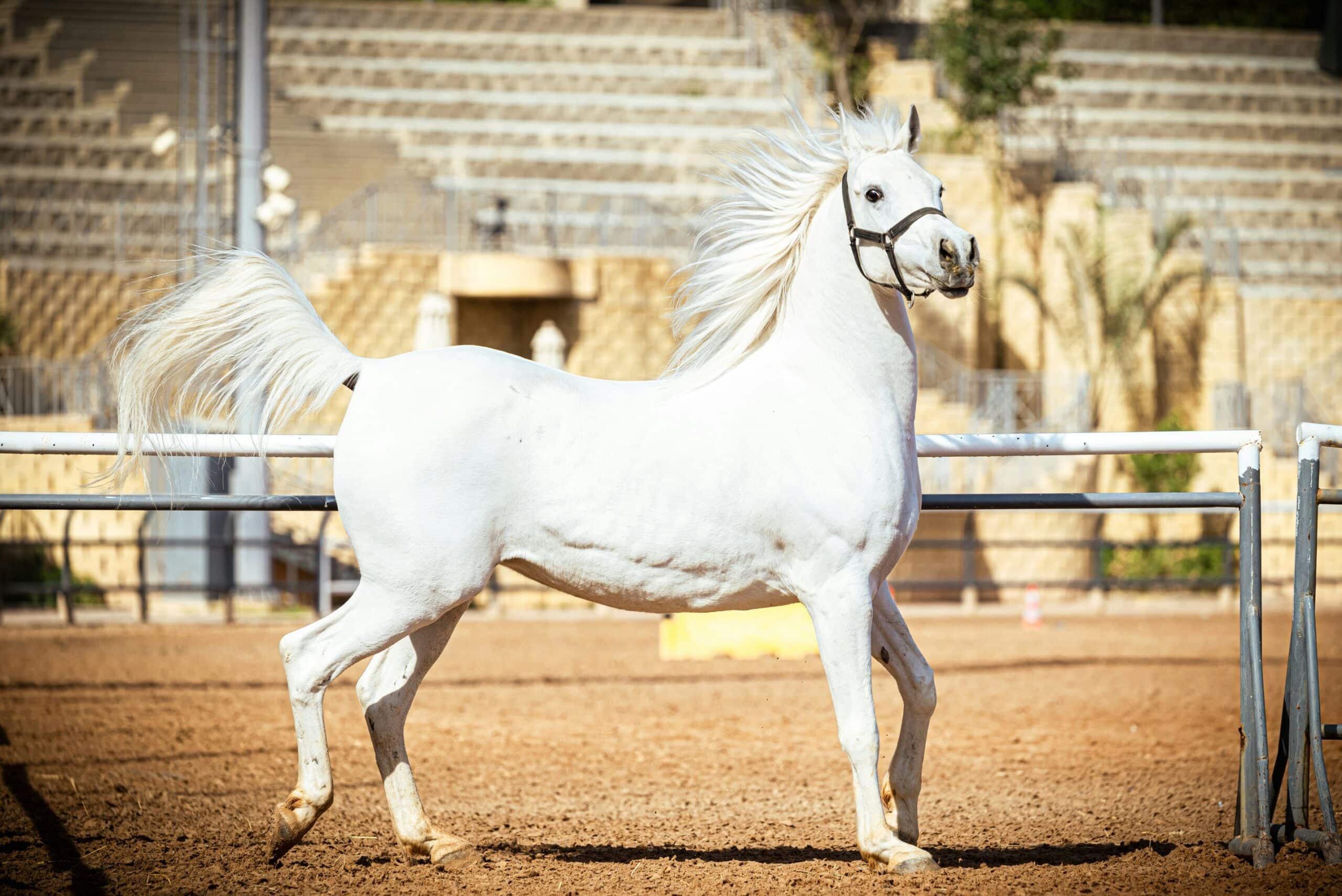

Think about the demands we put on a performance horse.
He is asked to collect, extend, bend, and drive with precision. He carries a rider. He repeats the same movements hundreds of times in training. He hauls to competitions, stands in strange stalls, adjusts to different footing, and then walks into the arena and is expected to be brilliant.
And most of the time, he is.
Horses are extraordinary athletes. They are also exceptionally good at working through discomfort until the moment they cannot. By the time a performance issue shows up in the arena, the body has usually been quietly managing something for much longer than anyone realized.
That is the conversation holistic care opens up. Not what is wrong. But what could be better. Not crisis management, but proactive support for an animal who is working hard and deserves a wellness plan that reflects that.
What “Holistic” Actually Means in This Context
The word “holistic” gets used loosely, and we want to be specific about what we mean because it matters.
Holistic care for performance horses is not about replacing veterinary medicine. It is not about choosing essential oils over diagnostics or skipping the vet because you prefer a “natural” approach.
Holistic means whole. It means looking at the horse’s body, nervous system, movement patterns, recovery, environment, and emotional state as a connected system rather than a collection of separate parts to be addressed in isolation.
A holistic performance horse care plan asks:
- Is this horse’s spine and nervous system functioning without interference?
- Are his muscles recovering fully between work sessions?
- Is his movement efficient, or is he compensating somewhere?
- Is his gut health supporting his overall wellbeing?
- Is his emotional state calm and engaged, or is stress affecting his performance?
- Is his body being maintained proactively, or are we only responding to problems?
When all of those questions have good answers, You’ve a horse performing at his actual ceiling. Most performance horses never quite get there because one or two of those pieces are being left on the table.
The Foundation: Chiropractic Care and the Nervous System
Everything in a performance horse’s body is coordinated by the nervous system. Every stride, every transition, every collected movement, every explosive burst of power, it all starts with a signal from the brain traveling through the spine to the muscles.
When the spine is moving well, that signal is fast, clear, and efficient. The horse feels athletic. He responds to subtle cues. His collection is genuine. His stride is even. His back swings freely.
When a joint in the spine loses its normal range of motion, the signal gets disrupted. Muscles begin guarding the restricted area. Compensation patterns develop. The horse starts working around the problem rather than through it.
This is why spinal health is the foundation of every holistic care plan we put together.
Chiropractic adjustments restore normal motion to restricted joints, clear the neurological interference, and allow the body to function the way it was designed to. For performance horses specifically, the areas we most commonly address include:
- Poll and cervical spine (neck stiffness, difficulty bending, resistance to contact)
- Thoracic spine (back tightness, hollowing in transitions, reluctance to lift through the back)
- Lumbar spine (hind end engagement, collection, pushing power)
- Sacroiliac region (asymmetry, cross-cantering, hind end weakness or unevenness)
- Pelvis (straightness, evenness of the hind legs, overall balance)
The improvements riders notice after chiropractic care are often described as a quality change rather than a dramatic one. The horse does not suddenly become a different horse. He becomes more fully himself. Freer. More responsive. More willing. More comfortable in the work.
Beyond Chiropractic: The Other Pillars of Holistic Performance Care
Chiropractic care is the foundation, but a truly holistic plan includes several other elements that work together to support the whole horse.
Soft Tissue Work and Bodywork
Muscles do not live in isolation from the spine. When a joint is restricted, the muscles around it tighten. When the joint is freed through adjustment, those muscles need support to fully release their holding patterns.
Massage therapy, myofascial release, and targeted soft tissue work are valuable companions to chiropractic care. They address the muscular component of compensation patterns, improve circulation to working tissues, and help the body integrate the changes made during an adjustment.
Think of it this way: the adjustment opens the door. Soft tissue work helps the horse walk all the way through it.
Nutrition and Gut Health
A performance horse’s gut health directly affects everything else. Chronic gut discomfort contributes to behavioral changes, back tension, and a generalized state of stress in the nervous system that makes everything harder.
Key nutritional considerations for performance horses include:
- Forage quality and quantity (horses are designed to eat almost continuously)
- Electrolyte replenishment (especially critical in Florida heat)
- Joint support supplementation (omega-3s, glucosamine, and hyaluronic acid all have evidence behind them)
- Probiotic support for horses under high stress or on frequent travel schedules
- Monitoring body condition through the demands of an active competition season
A horse whose gut is unhappy is a horse whose body is unhappy. The nervous system and the gut are in constant communication, and a horse dealing with digestive discomfort is carrying a baseline tension that affects everything from his back tightness to his willingness in the bridle.
Recovery as a Non-Negotiable
This is the piece most performance horse programs underinvest in, and it shows up in the horses we see.
Recovery is not just rest. Rest is part of it, but true recovery for a performance horse includes:
- Active cool-down after every training session (walking out, stretching, allowing the heart rate to come down gradually)
- Cold therapy or leg care after demanding work (especially important on hard or deep footing)
- Adequate turnout for mental and physical decompression
- Varied training loads that include lighter days and true easy days
- Sleep and rest quality in the stall environment
Florida horses deal with an additional recovery challenge: the heat. A horse working in Florida humidity is expending significantly more energy on thermoregulation alone. Recovery after a demanding training session or competition day in Florida heat requires more intentional support than the same horse would need in a cooler climate.
Horses that do not recover fully between work sessions compound restriction and fatigue over time. What starts as a tight day turns into a pattern, and patterns are much harder to unwind than single incidents.
Emotional and Mental Wellbeing
Performance horses are not machines, and the best horsemen and women have always known this.
A horse that is chronically stressed, anxious, or emotionally shut down cannot access his full athletic potential. The nervous system does not distinguish between physical stress and emotional stress. Both create tension. Both affect movement. Both affect performance.
Holistic care pays attention to:
- Herd dynamics and turnout situations (horses are social animals; isolation increases stress)
- Travel and competition stress (some horses need more recovery time after hauls than others)
- Training environment (pressure, relationship with the rider, and training methods all affect the horse’s nervous system state)
- Behavioral signals (a horse who is pinning his ears, grinding his teeth, swishing his tail excessively, or showing other stress behaviors is communicating something worth listening to)
When a horse feels safe, supported, and comfortable in his body, his willingness goes up. That willingness is not a training achievement alone. It is the result of a horse whose whole system is supported.
What a Holistic Performance Care Plan Looks Like Week to Week
A lot of people hear “holistic care” and picture something complicated, expensive, or time-consuming. In practice, a well-designed holistic plan is straightforward. Here is what it can look like for an actively competing performance horse:
| Timeframe | Care Element | Purpose |
| Every training session | Proper warm-up and cool-down | Prepare and recover the body around work |
| Weekly | Soft tissue check-in or bodywork | Catch and address early tension |
| Monthly | Chiropractic evaluation and adjustment | Maintain spinal motion and nervous system function |
| Seasonally | Full holistic assessment | Address what has built up and plan for what is ahead |
| Pre-competition | Light chiropractic and bodywork (5-7 days before) | Optimize the body before peak performance demand |
| Post-major competition | Recovery-focused session | Address anything the competition created |
This is not about doing more. It is about doing the right things at the right times.
Insider Tips from Dr. Philip and Dr. Angela
On what we see most often in performance horses: The sacroiliac region is almost universally involved in performance horses. The demands of collection, lateral work, and hind end engagement load that area heavily over time. It is one of the first places we check and often one of the most rewarding to address. Horses frequently show immediate improvement in hind end engagement and symmetry after sacroiliac work.
On integrating chiropractic with your existing vet relationship: We communicate with veterinary teams regularly and actively. If we find something during an assessment that warrants further diagnostic workup, we say so clearly. A good holistic care team works alongside your vet, not around them. The horses who benefit most from integrative care are the ones whose whole team is communicating.
On the horse who “seems fine”: Fine is a low bar for a performance athlete. Fine is not the same as optimal. The horses that truly impress us are the ones whose riders come in proactively and discover that what they thought was a training plateau or a personality quirk was actually a body that needed support. The ceiling those horses reach after consistent care is almost always higher than anyone expected.
The Horses Who Stay Sound the Longest
We have been doing this long enough to see patterns. And the horses who stay sound, competitive, and willing across the longest careers are almost never the ones with the best genetics or the most expensive training programs.
They are the ones whose people paid attention.
They noticed the small things early. They did not wait for lameness to address restriction. They built recovery into the program rather than treating it as optional. They listened when the horse communicated something subtle instead of labeling it as attitude. They invested in the whole horse, not just the performance output.
Holistic care is not a luxury for elite horses. It is a baseline standard for any horse who is being asked to perform at a high level, consistently, over a long career.
From the warm-up to the cool-down. From the training day to the competition day. From the first season to the last.
The horses who get the full picture of care are the ones who give you the full picture of what they are capable of.
If you are ready to build a holistic care plan for your performance horse, we would love to be part of that conversation. Reach out to Synchrony Chiropractic and let us take a look at the whole horse.